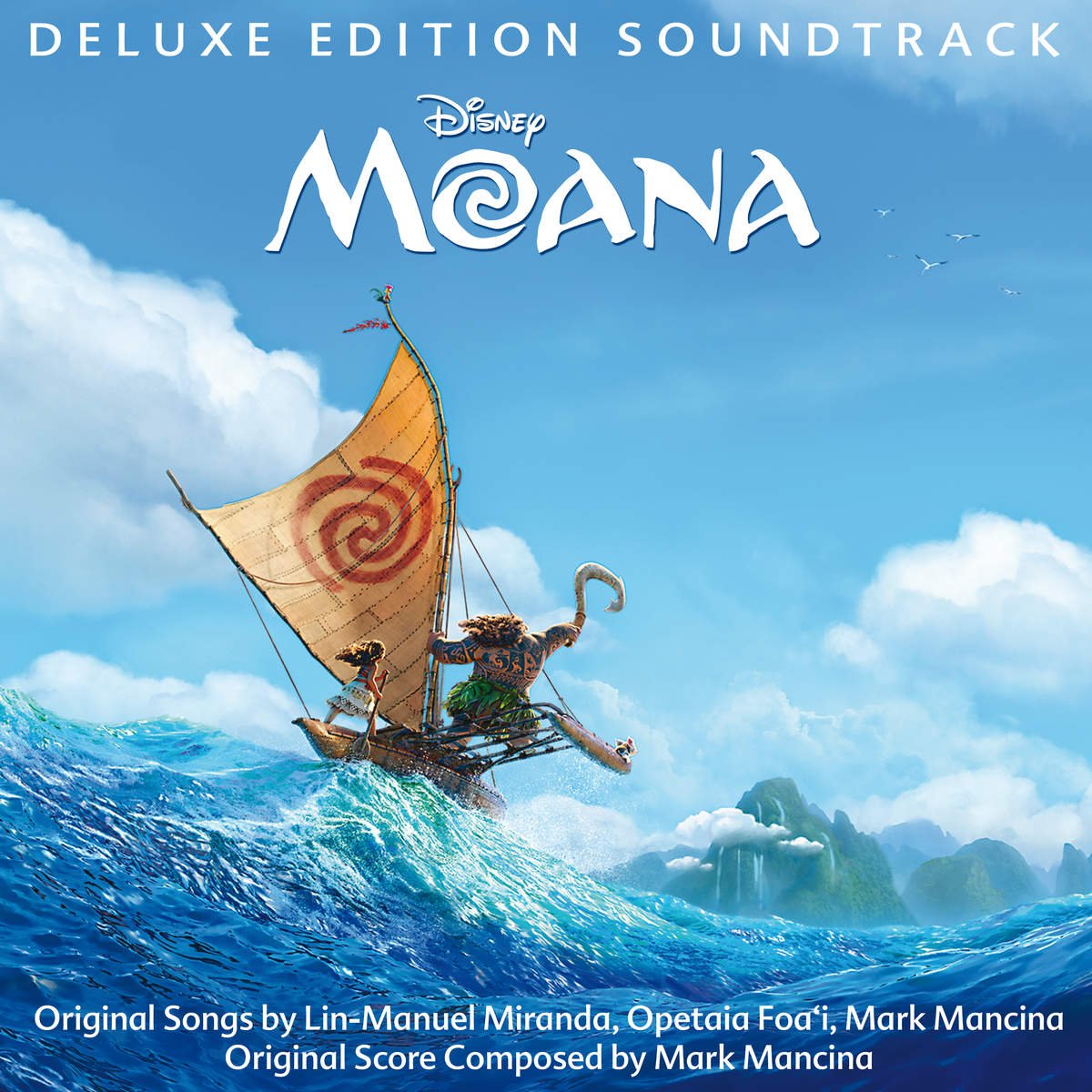
The rhythmic strum of a ukulele, the soaring call of a tribal chant, the undeniable hook of a pop anthem – the Moana soundtrack is more than just a collection of songs; it’s the very soul of the film. A thorough Moana Songs & Soundtrack Analysis reveals how this groundbreaking score masterfully navigates a deep ocean of cultural authenticity, Broadway brilliance, and pure, unadulterated heart, leaving an indelible mark on audiences worldwide.
It's a rare feat for a movie's musical tapestry to feel both ancient and utterly modern, but Moana achieves this with a vibrant confidence. From the moment the first notes play, you're not just watching a story; you're feeling it, pulled by the currents of ancestral whispers and the yearning for destiny.
At a Glance: What Makes Moana's Soundtrack So Special?
- A Power Trio Collaboration: Lin-Manuel Miranda (Broadway genius), Mark Mancina (Disney score veteran), and Opetaia Foaʻi (Polynesian music icon) blended their diverse talents.
- Cultural Authenticity: Features traditional Polynesian instruments, vocal groups like Te Vaka, and lyrics in English, Samoan, Tokelauan, and Tuvaluan.
- Genre Fusion: Seamlessly mixes Broadway showstoppers, pop anthems, and rich South Pacific rhythms.
- Character-Driven Storytelling: Songs perfectly advance the plot and define Moana's journey of self-discovery, notably her "I want" song, "How Far I'll Go."
- Commercial & Critical Success: Achieved record-breaking chart performance, a Grammy Award, and an Academy Award nomination.
- Empowering Theme: Explores identity, courage, and finding your true path without relying on a love interest.
The Orchestrators of Ocean's Call: Crafting a Genre-Bending Soundscape
The magic of Moana's music didn't happen by accident. It was the result of a deliberate, inspired collaboration between three distinct musical voices, each bringing a crucial element to the mix. Disney’s vision was ambitious: to combine traditional South Pacific culture with the magnetic pull of pop and the storytelling prowess of Broadway. This led to the inspired hiring of Lin-Manuel Miranda, Mark Mancina, and Opetaia Foaʻi.
A Creative Crucible: Blending Broadway, Pop, and Pacific Rhythms
Imagine the creative energy when these three minds converged. Lin-Manuel Miranda, fresh off the groundbreaking success of Hamilton, brought his unparalleled lyrical dexterity and knack for show-stopping theatrical numbers. Mark Mancina, a seasoned Disney composer known for his work on The Lion King, provided the orchestral gravitas and cinematic scope. And Opetaia Foaʻi, founder and lead singer of the Oceanic music group Te Vaka, infused the score with authentic Polynesian sounds, rhythms, and vocal traditions rooted deep in the Pacific islands.
Their collaboration wasn't confined to a single studio. They worked across continents, in both New Zealand and Los Angeles, sharing ideas, refining melodies, and ensuring every note felt earned. This global exchange created a sound that is genuinely unique – a true fusion rather than a mere juxtaposition of styles. It’s this deep integration that gives the Moana soundtrack its emotional resonance and cultural integrity.
The Instruments of Aotearoa: Infusing Authentic Polynesian Sounds
Crucial to the soundtrack's texture is its commitment to authentic instrumentation. The score features traditional Polynesian instruments such as various forms of percussion, bamboo woodwinds, and hide-covered Tyka drums. Foaʻi's vocal group, Te Vaka, lends their powerful harmonies, often in indigenous languages like Samoan, Tokelauan, and Tuvaluan. A Fiji choir also contributes to the rich, layered soundscapes. This wasn't just a stylistic choice; it was a foundational element, creating a sound that grounds the fantasy in a very real, vibrant culture. You can almost feel the spray of the ocean and the warmth of the sun as these sounds wash over you.
Unpacking the Lyrical Heartbeat: Deep Dive into Moana's Core Songs
The original soundtrack released by Walt Disney Records on November 19, 2016, features seven original songs, two reprises, and two end-credits versions. Each song serves a vital purpose, not just as entertainment, but as a narrative beat, developing characters and themes.
"Tulou Tagaloa": An Ancient Chant Beckons
The film opens with "Tulou Tagaloa," a powerful, short, and evocative chant performed by Olivia Foa'i (Opetaia's daughter). It’s a direct appeal to the gods, a prayer, and a blessing that immediately transports the audience to the mystical world of Motunui. This choice sets the tone: one of reverence for tradition and connection to the divine natural world, establishing the cultural bedrock upon which Moana's story is built.
"Where You Are": The Foundation of Community and Duty
This ensemble number is a masterful introduction to Moana's world and its inhabitants. It establishes the idyllic island life, the strong sense of community, and the expectations placed upon Moana as the chief's daughter. Lyrically, it emphasizes the importance of staying within the reef, of finding purpose and happiness right "where you are." But beneath the surface, the seeds of Moana's restless spirit are already being sown, creating a subtle tension that will soon erupt.
"How Far I'll Go": The Anthem of Undeniable Wanderlust
Performed with incredible depth by Auliʻi Cravalho in the film, "How Far I'll Go" is the undisputed centerpiece of the Moana soundtrack. It functions as the film's "I want" song – a classic musical theater device where the main character expresses their deepest desires and motivations. Moana's desire is not for a prince or a treasure, but to leave her island, to understand the pull of the ocean, and ultimately, to find herself. This mirrors other strong, independent Disney heroines like Merida from Brave, who also seeks self-determination over romance.
- The Classic "I Want" Song, Reimagined: Miranda's lyrics beautifully articulate Moana's internal conflict. She loves her island and her people, but an undeniable, almost elemental force draws her to the sea. The song is a poignant declaration of this yearning, filled with rich imagery of the ocean's call.
- Musical Tension and Lyrical Yearning: Musically, the song is fascinating. Moana's vocal jumps, particularly in certain phrases, create a sense of "session" – a music theory concept where a chord is just one note away from resolving, indicating inner tension. This perfectly reflects Moana’s unresolved emotional state and her burgeoning desire for exploration. The constant pull of the water is not just a metaphor; it's a character in itself, lyrically and musically.
- The Power of Reprise: A Journey of Self-Discovery: The power of "How Far I'll Go" is amplified by its reprises. A reprise is when a character sings their song again, but with a new emotional position, reflecting growth or a changed situation. Moana's later reprises, especially the emotional finale, define her journey. It’s not just about going far, but understanding why and who she becomes in the process. The song was critically acclaimed, winning the Grammy Award for Best Song Written for Visual Media and earning nominations for both the Golden Globe Award and the Academy Award for Best Original Song.
The end-credits version, performed by Alessia Cara, while popular (peaking at #88 on the Billboard Hot 100), illustrates a common fan criticism: these "radio versions" of Disney songs, often stripped of their cinematic context and emotional build-up, can sometimes feel inferior to the heartfelt, character-driven film versions. Nevertheless, "How Far I'll Go" resonated globally, with international end-credits versions recorded by artists like Lira (South Africa), Janella Salvador (Philippines), Maudy Ayunda (Indonesia), and Ayda Jebat (Malaysia).
"We Know The Way": A Legacy Awakens
Remarkably, "We Know the Way" was the very first song completed by the creative trio, beginning with Opetaia Foaʻi in December 2013. It's an anthem of ancestral pride and exploration, showcasing the rich history of the Polynesian wayfinding voyagers. This song provides the crucial historical context for Moana's journey, revealing that her people were once great explorers, not simply island-bound villagers. It’s a powerful, stirring piece that combines the epic scope of Mancina’s orchestration with Foaʻi’s indigenous vocal traditions, reinforcing the film's core theme of reclaiming a lost heritage.
"You're Welcome": Maui's Boastful, Beloved Showstopper
Who knew Dwayne "The Rock" Johnson could sing? "You're Welcome" became an instant fan favorite, largely thanks to Johnson's charismatic and surprisingly adept vocal performance. The song is Maui's grand, hilarious introduction, where he confidently recounts all his magnificent deeds for humanity, expecting nothing less than eternal gratitude.
- Dwayne Johnson's Unexpected Vocal Charisma: Johnson's performance is not just sung; it's acted. He injects Maui's arrogance, charm, and underlying insecurity into every note. The song’s catchy, pop-infused melody makes it impossible not to tap your foot.
- Lyrical Playfulness and Theatrical Flair: Miranda's lyrics are witty and fast-paced, perfectly capturing Maui's larger-than-life personality. It's a classic Broadway "I Am" song, defining the character through exaggerated self-praise.
- The Enduring Charm and Pop Culture Moments: The song’s infectious nature and Johnson's memorable delivery ensured its popularity, peaking at #83 on the Billboard Hot 100. It's even found new life in pop culture, with Johnson recently reprising a line from it as his "Hollywood Rock" persona on WWE Raw on March 15, 2024. The end-credits duet, featuring Lin-Manuel Miranda and Jordan Fisher, offers a different, more polished pop take, yet again highlighting the distinction fans often draw between film-driven and radio-friendly versions.
"Shiny": Tamatoa's Glam-Rock Grudge Match
Jemaine Clement (from Flight of the Conchords) absolutely shines as the villainous crab, Tamatoa, in "Shiny." This song is a delightful departure from the score's Polynesian roots, veering sharply into a David Bowie-esque glam-rock territory. Miranda was openly inspired by Flight of the Conchords' own Bowie tribute and Bowie's music, creating a unique, over-the-top villain song. Clement's suave, slightly menacing delivery, coupled with the song's catchy, theatrical instrumentation, makes "Shiny" a memorable and fantastically fun antagonist anthem. It proves the soundtrack's versatility, showing it can embrace different genres while maintaining narrative integrity.
"I Am Moana (Song of the Ancestors)": Finding Her Voice, Finding Her Path
This is perhaps the most emotionally resonant song in the entire film, a powerful reprise that serves as Moana's definitive moment of self-actualization. Faced with despair, she hears the voices of her ancestors, including her grandmother, Tala, reminding her of who she is and her true purpose.
- The Climactic Reprise and Self-Definition: The song intertwines elements of "How Far I'll Go" and "We Know The Way," but with a newfound certainty. Moana no longer questions if she will go, but boldly declares who she is – the daughter of the chief, a voyager, a leader. It's a moment of profound empowerment where she fully embraces her destiny.
- Connecting Past, Present, and Future: Through this song, Moana defines herself not in isolation, but in connection to her lineage and the future of her people. It’s a beautiful culmination of her internal struggle and external quest.
"Know Who You Are": The Lullaby of Redemption
A stunning and emotionally charged moment, "Know Who You Are" isn't a traditional song but a powerful, quiet melody Moana sings to Te Kā (the lava monster). It's a song of compassion and understanding, allowing Moana to see beyond the monster's rage to the wounded heart of Te Fiti. This moment, both musically and narratively, is incredibly tender and showcases the film’s profound message of healing and empathy over brute force.
Behind the Scenes: The Soundtrack's Journey from Concept to Chart-Topper
The creation of the Moana soundtrack was a monumental undertaking, blending diverse talents and cultural perspectives into a cohesive whole.
Miranda's Disney Dream and Hamilton's Influence
Lin-Manuel Miranda’s involvement was a game-changer. Inspired by Alan Menken's work on The Little Mermaid (especially "Under the Sea"), Miranda auditioned for Moana before Hamilton even premiered, showcasing his deep love for Disney musicals. His burgeoning fame with Hamilton and In The Heights also meant he could recruit some of Broadway’s finest, including Hamilton and In The Heights stars, for song demos, giving Disney a taste of the raw talent he would bring to the project.
The Art of Collaboration: New Zealand to Los Angeles
The collaborative spirit among Miranda, Mancina, and Foaʻi was key. Their work spanned studios in both New Zealand and Los Angeles, allowing them to immerse themselves in both the cultural roots and the technical demands of a major Disney production. This cross-cultural, cross-continental dialogue was essential for achieving the soundtrack’s authentic yet universally appealing sound.
The Deluxe Experience: More Than Just Songs
For true music enthusiasts, the two-disc deluxe edition of the Moana soundtrack is a treasure trove. It includes the instrumental score (composed by Mark Mancina), offering a deeper appreciation for the cinematic soundscape. Additionally, it features demos, outtakes, and instrumental karaoke tracks, providing a fascinating glimpse into the creative process and allowing fans to sing along to their favorite tunes. This expanded offering catered to a hungry fanbase and deepened the appreciation for the meticulous work behind the music.
Commercial Tides: Moana's Unprecedented Soundtrack Success
The Moana soundtrack wasn't just a critical darling; it was a commercial powerhouse, achieving remarkable success that cemented its place in Disney history.
Breaking Records: Billboard Dominance
The album debuted impressively at number 16 on the Billboard 200 and quickly climbed to peak at number 2. Its performance on the Billboard Soundtracks Chart was nothing short of legendary, setting a record for most weeks at No. 1, with an incredible 61 weeks by October 23, 2021. This sustained popularity underscores the soundtrack's enduring appeal and ability to resonate with audiences long after the film's initial release. By April 2017, the album had sold 709,000 copies in the United States, finishing as the country's fifth-best-selling album by consumption that year.
Awards and Acclaim: Grammy Glory and Oscar Nods
The soundtrack's quality was recognized by the highest echelons of the music and film industries. "How Far I'll Go" won the coveted Grammy Award for Best Song Written for Visual Media, a testament to its powerful composition and lyrical depth. It was also nominated for the Golden Globe Award and the Academy Award for Best Original Song, solidifying its status as a contemporary classic. This critical acclaim further validated the groundbreaking artistic choices made by the musical team.
The End-Credits Debate: Film vs. Radio Versions
One of the more interesting discussions among fans revolves around the "radio versions" of songs presented during the end credits. While these versions, like Alessia Cara’s "How Far I'll Go" or the Miranda/Jordan Fisher duet for "You're Welcome," aim for broader radio play and a more pop-friendly sound, they are often perceived by purists as inferior to the film versions. The film versions are deeply integrated into the narrative, performed by the characters, and infused with the emotional arc of the story. The end-credits versions, while introducing the songs to a wider audience, can sometimes lose that crucial narrative context, highlighting the difference between a song that serves a story and a song designed for standalone airplay. This tension illustrates the delicate balance Disney often seeks between artistic integrity and commercial reach.
Why Moana's Music Resonates So Deeply: A Cultural & Emotional Connection
The widespread love for Moana's soundtrack goes beyond catchy tunes; it taps into something profound within its audience.
Authenticity Meets Accessibility
The genius of Moana's music lies in its ability to be deeply authentic to Polynesian culture while remaining entirely accessible to a global audience. Opetaia Foaʻi’s contributions ensure the cultural heartbeat is strong and true, preventing the music from feeling like a caricature. Meanwhile, Miranda and Mancina translate these authentic sounds into a language that pop and Broadway fans instantly understand and love. This delicate balance creates a soundtrack that educates and enthralls simultaneously.
Empowerment Without Romance
A significant part of Moana's appeal, especially its music, is its focus on self-empowerment and identity rather than traditional romance. Moana, like Merida before her, does not have a love interest. Her journey is entirely about finding her own strength, her voice, and her place in the world. Songs like "How Far I'll Go" and "I Am Moana (Song of the Ancestors)" resonate powerfully with listeners of all ages because they speak to universal themes of ambition, courage, and self-discovery. This narrative choice, amplified by the music, feels refreshing and incredibly timely.
The Universal Call of Adventure
At its core, the Moana soundtrack captures the universal human desire for adventure and discovery. Whether it's the pull of the ocean, the call of ancestors, or the challenge of a daunting quest, the music encapsulates that restless spirit within us all. It reminds us that sometimes, the greatest journey is the one we take to truly "know who you are."
Beyond the Screen: The Soundtrack's Lasting Legacy
The impact of the Moana soundtrack stretches far beyond the cinema, influencing how Disney tells its stories and how audiences engage with musical narratives.
Its Place in the Disney Canon
Moana has earned its place among Disney's most cherished musical classics. It’s not just a collection of songs; it’s a fully realized score that pushes boundaries while honoring tradition. It successfully integrates modern Broadway sensibilities with deeply rooted cultural sounds, setting a new benchmark for how animated musicals can achieve both artistic integrity and global appeal. Much like the adventurous spirit of Moana herself, the soundtrack paved new ways for musical storytelling in animation. For an even broader look at the phenomenon, Explore all things Moana.
A Generation's Anthem
For countless children and adults, the songs of Moana have become anthems of courage, self-belief, and the pursuit of dreams. "How Far I'll Go" has transcended the film to become a standalone inspirational hit, sung in schools, talent shows, and private moments of contemplation. The soundtrack instills messages of environmental stewardship, cultural respect, and the power of individual agency, shaping the worldview of a new generation. It’s a testament to the power of music to deliver profound messages wrapped in irresistible melodies.
Your Next Voyage: Re-experiencing the Moana Soundtrack
The Moana soundtrack is a masterpiece of musical storytelling, a vibrant tapestry woven from diverse threads of culture, genre, and emotion. It's a journey from the comfort of the familiar to the vastness of the unknown, mirroring Moana's own quest for identity and purpose.
If you’ve only listened casually, consider a deeper dive. Put on the soundtrack with intention. Listen for the subtle layers of Polynesian percussion in "We Know The Way," the witty wordplay and vocal nuances in "You're Welcome," or the profound emotional swells in "I Am Moana." Pay attention to how the orchestrations enhance the visual storytelling, and how each song propels Moana's narrative forward. You’ll find that its depths are as boundless as the ocean itself, offering new discoveries with every listen.