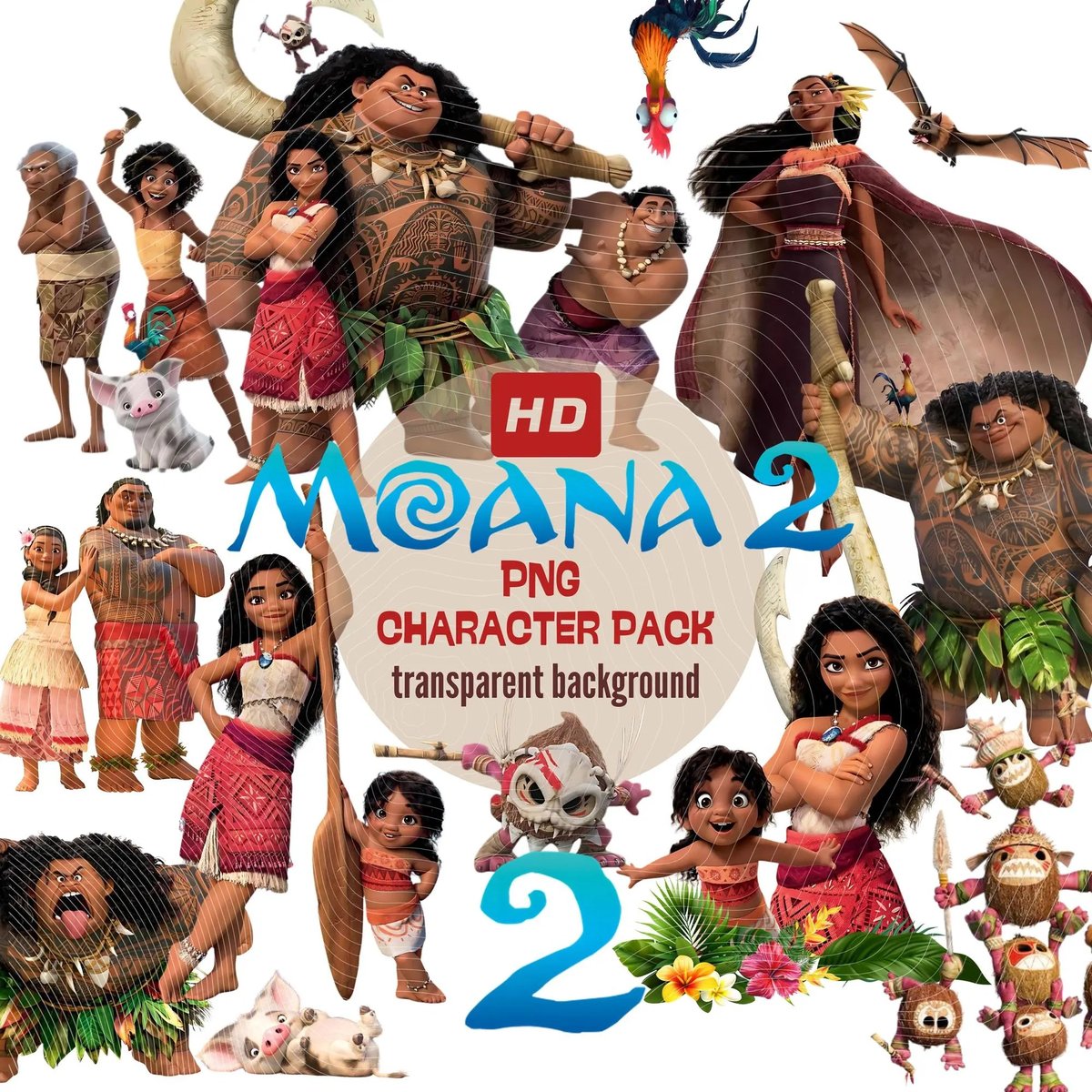
The ocean called, and Moana answered. But she didn't embark on her epic journey alone. The vibrant tapestry of Moana Characters & Their Roles is what truly gives the film its enduring heart, weaving together a narrative of courage, identity, and destiny that resonates deeply with audiences worldwide. More than just a collection of animated figures, each character serves a crucial purpose, propelling the plot forward, challenging norms, and embodying profound themes that elevate Moana beyond a simple adventure story.
This isn't just a list; it's a deep dive into the personalities, motivations, and cultural significance that make these characters so unforgettable. You'll discover how their individual journeys intertwine to form a powerful narrative about finding your voice, embracing your heritage, and restoring balance to the world.
At a Glance: Diving Into Moana's Core Characters
- Moana Waialiki: The determined protagonist, chosen by the ocean to restore the heart of Te Fiti. Embodies self-discovery, leadership, and the spirit of a true Wayfinder.
- Maui: The charismatic, shape-shifting demigod. Initially arrogant, he undergoes a significant journey of humility and redemption, learning the true meaning of heroism.
- Gramma Tala: Moana's wise, eccentric grandmother and spiritual guide. She nurtures Moana's adventurous spirit and connects her to their ancestral past.
- The Ocean: An active, sentient character that guides and aids Moana, symbolizing destiny, connection, and the living force of nature.
- Chief Tui: Moana's protective, tradition-bound father. He represents the challenge of balancing safety with progress and the tension between ancient ways and new discoveries.
- Sina: Moana's understanding and supportive mother. She acts as a bridge between Moana and her father, offering empathy and gentle encouragement.
- Pua: Moana's loyal, if somewhat timid, pet pig. He symbolizes the comforts of home and the initial reluctance to venture into the unknown.
- Heihei: The incredibly dim-witted rooster who accidentally joins the quest. A source of comic relief, he often symbolizes pure, unadulterated luck or chance, surprisingly playing a role in key moments.
- Te Fiti / Te Kā: The benevolent island goddess, whose stolen heart transforms her into the fiery demon, Te Kā. Represents the balance of nature, creation, destruction, and the power of restoration.
- Tamatoa: The monstrous, greedy coconut crab from Lalotai, the Realm of Monsters. Embodies materialism, vanity, and serves as an obstacle Maui must overcome.
The Heart of Motunui: Why Characters Matter
Every great story is built on compelling characters, and Moana is no masterclass in this regard. From the moment the young Moana is drawn to the ocean, you feel an immediate connection to her aspirations and the deep-seated cultural heritage that grounds her journey. This isn't just about a hero's quest; it's about a community, its leaders, its past, and its future—all personified through a rich cast.
The magic of Moana lies in how these individuals, flawed and formidable alike, interact. Their conflicts, their growth, and their ultimate bonds forge a narrative that’s both deeply personal and universally resonant. Understanding their individual threads helps us appreciate the entire tapestry.
The Protagonist's Path: Moana Waialiki
Moana isn't your typical Disney princess. She's a leader in the making, the future chief of Motunui, and a fierce advocate for her people. Her story is one of profound self-discovery and destiny.
A Leader Called by the Sea
From a young age, Moana feels an undeniable pull toward the ocean, a stark contrast to her village's strict adherence to staying within the reef. This yearning isn't just childish curiosity; it’s a genetic memory, a call from her ancestors, the ancient Wayfinders. When the blight threatens her island, Moana accepts the monumental task of finding Maui and restoring the Heart of Te Fiti, a burden that would crush a lesser spirit.
Her role as a Wayfinder isn't just about sailing; it's about navigating her own identity, challenging the limitations imposed by fear and tradition, and leading her people into a new era. Moana's strength lies not just in her physical courage but in her unwavering determination, empathy, and ability to inspire. She's resilient, quick-thinking, and possesses a profound sense of responsibility for her community.
The Demigod's Journey: Maui
The legend of Maui, demigod of the wind and sea, hero of all, is one of the most compelling arcs in Moana. He enters the story as an arrogant, self-centered trickster, still reeling from the consequences of his actions centuries ago.
From Self-Glory to True Heroism
Maui's initial role is that of a reluctant, often condescending, ally. His boasts about his past deeds and his powerful magical fishhook mask a deep insecurity and shame over losing the Heart of Te Fiti. His transformation throughout the film is remarkable. Through Moana's persistence and unwavering belief, he slowly sheds his ego, reconnecting with the true spirit of heroism that once defined him.
His tattoos, particularly the "Mini Maui" (a sentient, animated tattoo on his chest), serve as a visual conscience, often comically—and sometimes pointedly—reminding him of his obligations and moral compass. This internal struggle and eventual redemption make Maui one of the most dynamic characters, bridging ancient legends with a contemporary understanding of what it means to be a hero. He represents the idea that even those who fall from grace can find their way back, especially with the right guidance.
The Guiding Spirits: Gramma Tala & The Ocean
Some of the most powerful characters in Moana aren't those who wield magical fishhooks or lead villages, but those who offer spiritual guidance and a connection to something larger than life.
Gramma Tala: The Village Oracle
Moana's grandmother, Gramma Tala, is a delightful blend of eccentricity and profound wisdom. Often seen dancing with the manta rays or recounting ancient tales, she is the keeper of her people's true history—the Wayfinders. Gramma Tala encourages Moana's adventurous spirit, understanding her granddaughter's destiny long before Moana herself does.
Her role is crucial: she serves as Moana's spiritual mentor, a direct link to the ancestral past, and the one who ignites Moana's courage to embark on her journey. Even after her passing, her spirit, manifested as a manta ray, continues to guide Moana, symbolizing the enduring power of family and heritage. She teaches Moana that true identity comes from within and from knowing where you come from.
The Ocean: A Character All Its Own
Perhaps the most unique character in Moana is the ocean itself. Not merely a setting, the ocean is a sentient entity, choosing Moana as a child and actively assisting her throughout her quest. It delivers the Heart of Te Fiti to her, pushes her boat, and even helps her retrieve Maui's hook.
The ocean symbolizes destiny, the interconnectedness of life, and the idea that nature itself has a will and a purpose. Its presence reinforces the film's core themes of environmental stewardship and the ancient bond between the Polynesian people and the sea. It's a silent, powerful mentor, reminding Moana that she is part of something vast and ancient.
The Pillars of the Village: Chief Tui & Sina
Moana's parents embody the complexities of leadership, tradition, and unconditional love within the Motunui community. Their roles ground Moana's story in the realities of island life and the protective instincts of a parent.
Chief Tui: The Burden of Tradition
Moana's father, Chief Tui, is a respected and beloved leader, but also a figure bound by the painful lessons of the past. Having witnessed a tragic event beyond the reef in his youth, he enforces a strict rule against venturing into the open ocean, believing it's the only way to protect his people. His role creates a significant internal conflict for Moana, as she must reconcile her duty to her father and village with her destiny to journey beyond the reef.
Tui represents the tension between safety and exploration, tradition and progress. His character arc is subtle but powerful, as he ultimately comes to understand and support Moana's vision, recognizing the Wayfinder spirit within her.
Sina: The Bridge of Understanding
Moana's mother, Sina, is the empathetic heart of the family. She understands Moana's longing for the ocean but also supports her husband's desire to keep their daughter safe. Sina acts as a crucial bridge between Moana and Tui, offering emotional support and understanding to both. She gently encourages Moana while respecting Tui's authority, illustrating the complex dynamics of a supportive family unit facing extraordinary circumstances. Her wisdom often comes in the form of quiet reassurance and understanding, reminding Moana that her parents' love, even if sometimes misguided, is constant.
The Animal Companions: Pua & Heihei
While not central to the dialogue, Moana's animal companions add layers of emotion and comic relief, reflecting different aspects of her journey.
Pua: Loyalty and the Comforts of Home
Pua, Moana's adorable pet pig, is initially her enthusiastic companion, joining her on her first ill-fated attempt to sail beyond the reef. After a terrifying encounter, Pua becomes too afraid to venture into the ocean again, choosing to stay on Motunui.
Pua's role is significant because he represents Moana's initial reluctance and the safety of home. His inability to join her highlights the solitude and courage required for Moana's solo quest, emphasizing her growth as she leaves behind the familiar comforts. He's a visual reminder of what Moana is fighting to save.
Heihei: The Unlikely Hero
Heihei, the ridiculously clueless rooster, is pure comic gold. His accidental presence on Moana's canoe provides endless laughs, often creating more problems than he solves. Yet, in critical moments, through sheer, dumb luck, Heihei plays a surprisingly pivotal role, like retrieving the Heart of Te Fiti from the Kakamora.
Heihei represents chaos and unpredictability. His survival against all odds can be seen as a metaphor for the unexpected twists of fate that often occur on a heroic journey. He reminds us that even the most seemingly insignificant beings can, by chance, contribute to a grander purpose.
The Antagonists & Challenges
Every hero needs obstacles, and Moana presents a unique blend of internal, external, and even elemental challenges personified by its antagonists.
Tamatoa: The Shiny Obstacle
The colossal, treasure-hoarding coconut crab, Tamatoa, resides in Lalotai, the Realm of Monsters. Covered in glittering loot, he's a vain and materialistic villain who delights in his "shiny" possessions. His role is primarily to provide a challenging encounter for Maui, forcing the demigod to confront his own insecurities and pride, especially concerning his lost fishhook.
Tamatoa embodies the destructive nature of greed and superficiality, serving as a foil to Moana and Maui's quest for restoration and purpose. His flamboyant personality and musical number ("Shiny") make him a memorable, if secondary, antagonist.
Kakamora: Coconut Pirates
These pint-sized, fiercely armed coconut warriors are a recurring external threat. They are ruthless pirates who attempt to steal the Heart of Te Fiti, providing a thrilling action sequence and a demonstration of Moana's budding courage and strategic thinking.
The Kakamora, while intimidating, are more of a collective obstacle than individual characters. They represent the generic dangers of the open sea and add a pulse-pounding challenge to Moana and Maui's journey, highlighting the need for them to work together.
Te Fiti / Te Kā: The Core Conflict
At the heart of Moana's story is the island goddess, Te Fiti, whose stolen heart led to her transformation into the destructive lava demon, Te Kā.
Te Fiti, in her benevolent form, is the source of all life and creation. When her heart is taken, she becomes Te Kā, a being of pure rage and destruction, laying waste to the islands and symbolizing nature's wrath when harmony is disrupted. This duality is central to the film's message. Te Kā isn't just a monster to be defeated; she is Te Fiti, wounded and broken.
Moana's ultimate role is not to fight Te Kā but to understand her, to soothe her pain, and to restore her true self. This profound resolution transforms the traditional hero vs. villain narrative into a powerful message of empathy, healing, and environmental responsibility, making Te Kā arguably the most significant "antagonist" in terms of thematic depth.
Beyond the Main Cast: Supporting Roles that Add Depth
While the core characters drive the main narrative, numerous other figures from the ground truth add texture and realism to the world of Motunui and beyond.
- Motunui Villagers: These nameless individuals form the backdrop of Moana's world, representing the community she is destined to lead and ultimately save. Their fear and reliance on tradition fuel Chief Tui's protective instincts.
- Moana's Brothers (Kele, Kotu, Loto, Nalo): Though not heavily featured, their presence grounds Moana within a family structure beyond her parents, showing her as part of a larger, loving unit.
- Matangi, Simea, Moni, Matai Vasa: These named villagers or elders, often seen in council meetings or daily life, reinforce the communal aspect of Motunui, showcasing various perspectives within the island society.
- Minor Creatures: From the
Blobfishto theEight-Eyed Batsof Lalotai, these brief appearances enrich the fantastical elements of the world, highlighting the diversity and wonder—and sometimes danger—of the Moana universe. They contribute to the world-building, making the environments feel alive and full of unique inhabitants.
Crafting Emotional Resonance: How Roles Intertwine
The true genius of Moana's character development lies in how these diverse roles intertwine to create a story rich with emotional resonance and thematic depth.
Consider the dynamic between Moana and Maui. Their initial animosity and Maui's arrogance are essential for his eventual redemption. Moana's unwavering belief in him, even when he doubts himself, is what allows him to grow. Their journey isn't just about restoring a magical artifact; it's about two individuals from vastly different worlds learning to trust, respect, and rely on each other.
Gramma Tala's guidance is crucial for Moana's journey, not just practically (by showing her the Wayfinder canoes) but spiritually. She empowers Moana to listen to her inner voice, connecting her to generations of explorers. The conflict between Moana and Chief Tui isn't resolved through rebellion but through understanding, showcasing the nuanced journey of generational change.
These interactions elevate the film beyond a simple quest, exploring themes of leadership, self-sacrifice, environmentalism, and the enduring power of cultural identity. For an even broader understanding, you might explore Your guide to all things Moana.
Common Questions About Moana's Characters
Let's clear up some common curiosities surrounding the inhabitants of Motunui and beyond.
Is the Ocean a true character in Moana?
Absolutely. The Ocean isn't just a backdrop; it's an active, sentient entity that directly interacts with Moana and influences the plot. It chooses Moana, provides her with the Heart of Te Fiti, guides her canoe, and even retrieves lost items. It functions as a benevolent supernatural force and a direct agent in Moana's destiny.
What does Heihei represent in the story?
Heihei primarily serves as comic relief, but his unexpected survival and accidental interventions can be seen to represent pure chance or dumb luck. In a story full of destiny and purpose, Heihei's presence highlights that sometimes, improbable things happen, and even the most unlikely beings can play a part in grand adventures. He's a reminder not to take everything too seriously.
What is Maui's biggest flaw?
Maui's biggest flaw is his pride and ego, stemming from a deep-seated insecurity and need for validation. His initial act of stealing the Heart of Te Fiti was an attempt to earn humanity's love, and throughout the film, he struggles to overcome his self-centeredness and accept that true heroism comes from selfless acts, not from public adoration.
Why is Gramma Tala so important to Moana's journey?
Gramma Tala is pivotal because she acts as Moana's spiritual and ancestral guide. She sees Moana's true calling, nurtures her adventurous spirit, and reveals the hidden history of the Wayfinders. Her wisdom and unwavering belief empower Moana to embrace her destiny, providing the emotional and historical context needed for the quest. She also teaches Moana about inner strength and listening to her heart.
Bringing It All Together: What Moana's Characters Teach Us
The lasting impact of Moana isn't just in its stunning visuals or catchy songs; it's in the depth of its characters and the profound lessons they impart. From Moana's courage to Maui's redemption, Gramma Tala's wisdom, and Te Fiti's message of restoration, these figures invite us to reflect on our own journeys of identity, responsibility, and connection to the world around us.
Each character, no matter how minor, plays a part in illustrating that true strength comes not just from power or tradition, but from empathy, understanding, and the willingness to look beyond the immediate horizon. They teach us that sometimes, the greatest adventure is the one that leads us back to ourselves, and to the heart of what truly matters.